
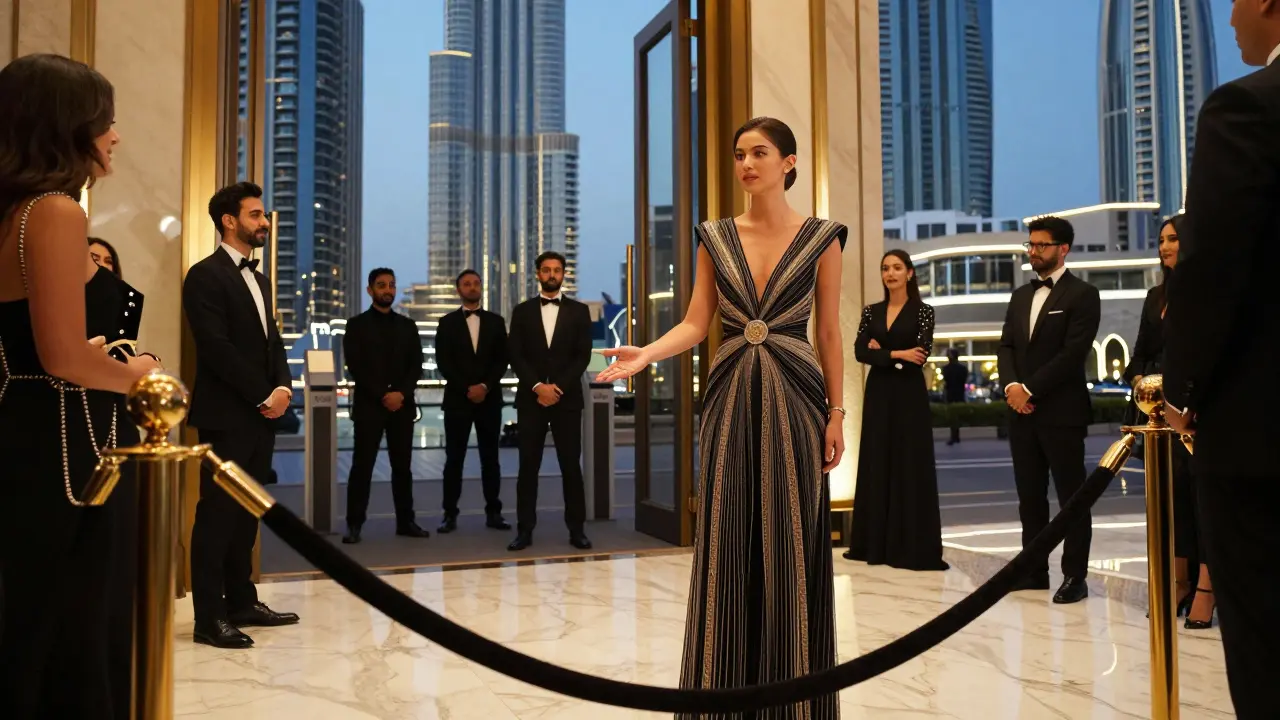
Ever walked past a velvet rope and wondered what was happening behind the doors? You aren't alone. The world of high-fashion gatherings often feels exclusive, shrouded in mystery, and populated by the most stunning people you see on magazines and runways. When Top Models host these events, the atmosphere shifts entirely. It’s not just about clothes anymore; it is about a specific kind of nightlife and celebration where the stars of the industry take center stage as entertainers and hosts themselves.
In 2026, the dynamic has changed. Gone are the days when models were merely mannequins for clothing racks. Today, they curate experiences. They act as ambassadors for luxury brands, leading parties that feel more like intimate celebrations than standard trade shows. Understanding how to navigate this space gives you a front-row seat to some of the most exciting moments in the global lifestyle calendar.
Understanding the Role of Models in Events
| Role | Description |
|---|---|
| Floor Hosts | Interact directly with guests, guide conversations, and manage the flow of the party. |
| VIP Couriers | Escort key clients and celebrities to their private sections seamlessly. |
| Show Presenters | Walk stages during breaks to present awards or highlight specific collections. |
When we talk about Event Hosting, it goes deeper than just posing for photos. These professionals are trained in diplomacy and hospitality. A model hosting a fashion launch isn't just wearing the outfit; they are ensuring the brand message lands with every attendee. They serve as the human face of the agency or designer. In 2026, this role includes digital engagement, often capturing moments for Instagram or TikTok while ensuring physical guests feel welcome. It bridges the gap between high art and accessible fun.
The Landscape of Fashion Events in 2026
The landscape has evolved significantly over the last year. With the rise of immersive technology, many events now blend physical gatherings with digital overlays. Virtual Reality Fashion Weeks allow remote attendees, but the core experience still relies heavily on physical presence. Physical venues matter more than ever. You won’t find these events in sterile halls anymore. They pop up in historic galleries, converted warehouses, and even floating structures on the water.
Consider the typical timeline for these events. Most major fashion weeks kick off early in the month, but the after-parties and hosted meet-and-greets extend well into the weekend. A common misconception is that you need an invitation for everything. While press passes are one way in, public tickets for gala nights are sold through official channels. The "hot models" aspect really shines during the after-hours segments. That’s where the formality drops, and the networking begins. It is a unique blend of business casual and high-octane socializing.
How to Secure Your Spot
Gaining entry can feel daunting if you don’t know the ropes. First, identify who is actually organizing the event. Is it a standalone fashion house like Chanel or Louis Vuitton, or is it a local influencer collective? Follow the official handles of major designers on X or LinkedIn. Look for “Ticket Sales Open” announcements. Sometimes, you can buy VIP packages that guarantee interaction opportunities with the hosts.
If you are looking for specific experiences hosted by individual talent, agencies often list their roster availability on their booking platforms. Keep your eyes peeled for “fan club” memberships offered by larger brands. These memberships sometimes grant priority entry to the most sought-after gatherings. Remember, the key is timing. Applying three months before the season starts drastically increases your chances compared to waiting until the week of the show.
Setting Expectations: What Happens There?
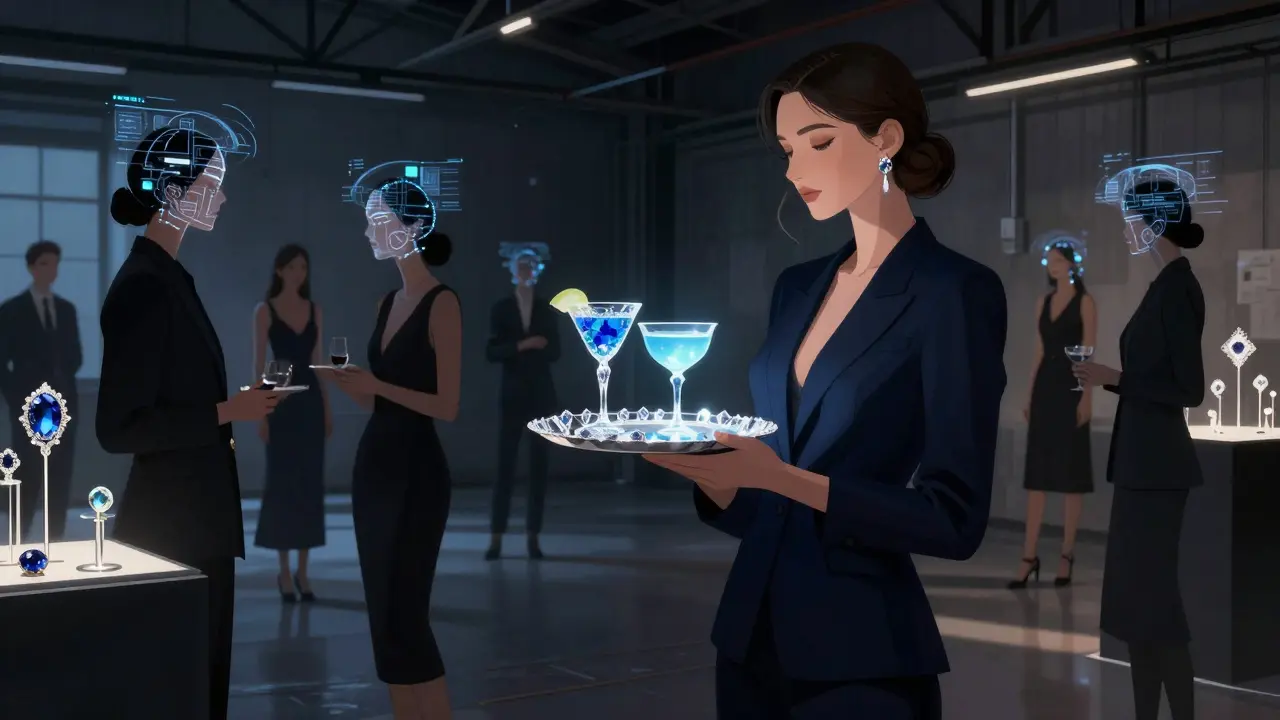
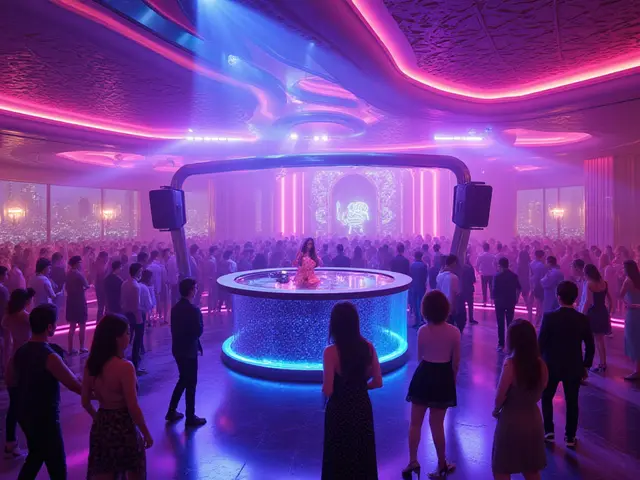
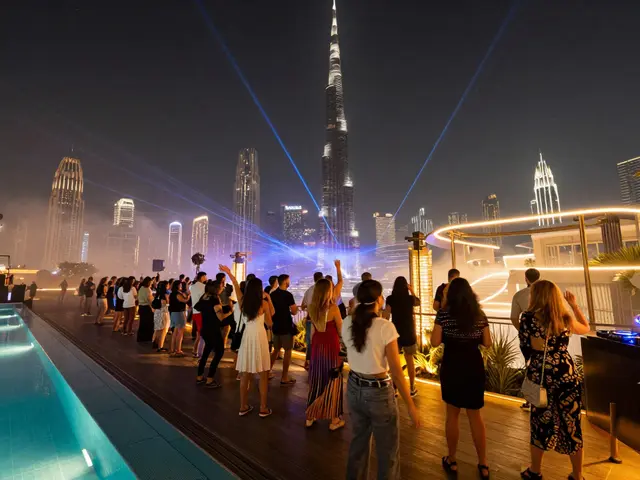
Walking into a High-End Fashion Gala changes your sensory experience immediately. Lighting is low, music is curated specifically to encourage movement, and cocktails are tailored to the brand's identity. If it is a fragrance launch, expect signature scents permeating the room. If it is a jewelry showcase, the lighting will accentuate gems, requiring you to dress with care.
Expect interaction. Unlike a standard concert where you watch from afar, these events thrive on mingling. The models hosting will circulate with trays of drinks or standing near conversation starters-like a photo booth designed to mimic magazine spreads. Engage with them about the collection or the venue, not just personal questions. It shows you respect the craft. In 2026, many events also offer sustainability pledges. You will be asked to sort trash, use digital badges instead of paper ones, and support eco-friendly partners. This shift in culture makes participation more meaningful beyond just the glamour.
Dress Codes and Etiquette
One of the biggest hurdles for newcomers is the unspoken dress code. It is rarely printed on the ticket. Think of it as "elevated evening wear." For men, this usually means a tuxedo or a sharp, dark suit, avoiding loud patterns unless specifically encouraged. Women have more latitude, but the rule remains: stand out without overshadowing the clothes being showcased. Avoid logos that compete with the brand hosting. Black tie is standard, but creative black tie (think velvet accents or metallic fabrics) is becoming the norm for post-show parties.
Etiquette also extends to digital conduct. Always ask before taking photos of someone else. While the hosts are used to cameras, the guests often prefer privacy. Respecting this boundary earns you respect back from the security teams and staff. Also, silence your phone notifications completely. These are premium environments; jingling phones disrupt the acoustic balance of the room.
Safety and Security Protocols
Premium events prioritize safety, especially with high-net-worth individuals present. Do not ignore the security checkpoints. Bag checks are thorough because protecting the merchandise and the artists is paramount. You might face biometric scans at the door depending on the event's risk profile.
Alcohol consumption is monitored closely. Many modern organizers provide complimentary non-alcoholic options first, allowing guests to gauge their limits before ordering real spirits. This reduces liability and ensures everyone leaves safely. Trust the staff. If they direct you to an exit or a specific zone, follow the instruction. Security personnel at these levels are highly trained to prevent disruptions. If you feel unsafe or uncomfortable, approach the nearest staff member immediately; they have protocols for handling guest distress discreetly.
Comparing Event Types
| Type | Access Cost | Model Interaction | Crowd Density |
|---|---|---|---|
| Runway Show | Free / Invitation Only | Minimal (During Breaks) | Moderate |
| After-Party | $200 - $1000+ | High (Social Focus) | Dense |
| Private Viewing | $500+ per person | Very High (Intimate) | Low |
| Charity Gala | Auction Bids / Donation | Variable | Low |
Choosing the right event depends on what you want to achieve. If you just want to admire the designs, the runway show is ideal. If you are there to network, the after-party is where deals get made. Private viewings offer a quieter, educational perspective where you can discuss fabric choices directly with the designers and hosting models. Charity galas bring a cause-driven element, offering higher status visibility for sponsors.
Maximizing Your Network
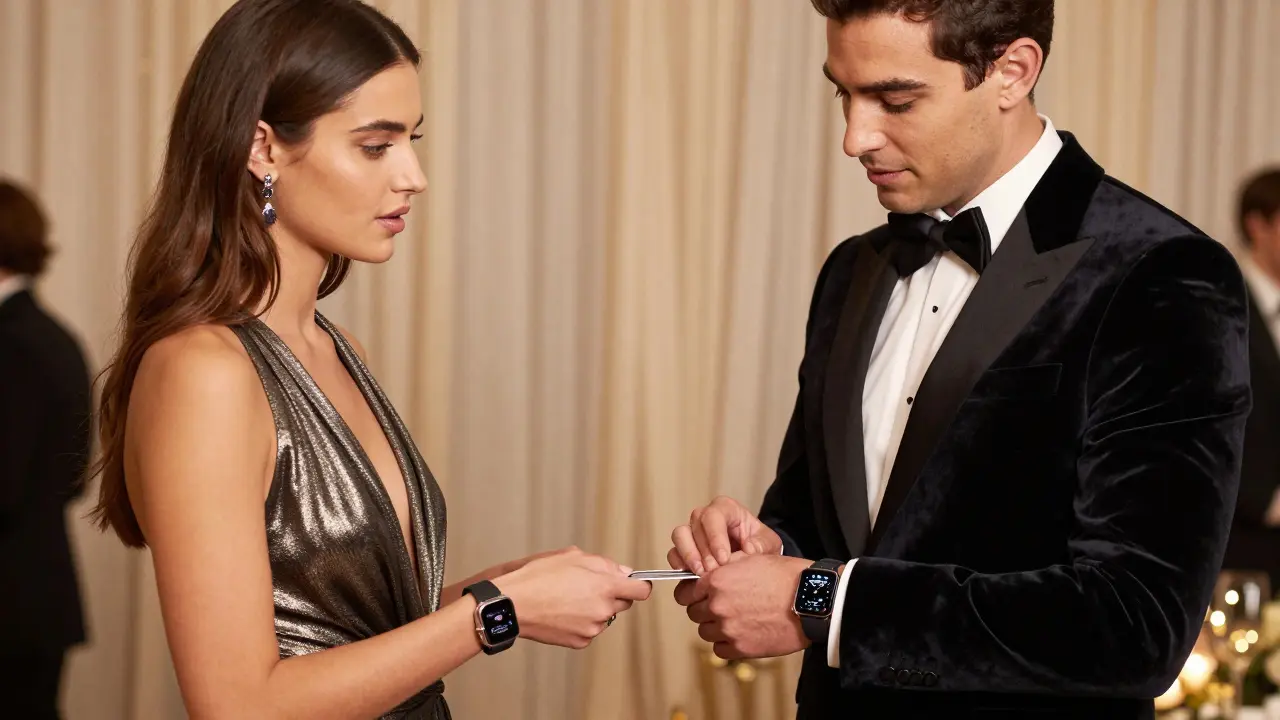
Treat these events as a business opportunity, not just a night out. Collect contacts, but do it gracefully. A digital badge exchange app is standard now, so download the relevant tech beforehand. Don't hand out cards aggressively; wait for natural pauses in conversation. The goal is to build relationships that last beyond the party. Many fashion houses recruit from these guest lists for future campaigns.
Frequently Asked Questions
Are these events open to the general public?
Most runway shows are invitation-only, but related parties and gallery openings often sell public tickets online or through ticketing partners.
Can I bring a camera to photograph the models?
Photography policies vary. Flash photography is usually banned during shows, and portrait permission is required for commercial use of guest photos.
What is the average cost to attend a VIP fashion event?
VIP tables typically range from $1,000 to $5,000 per person, including food, drink, and gift bags. General admission can be much lower.
Do I need a reservation to enter?
Yes, almost all high-profile fashion events require prior registration or ticket purchase to manage capacity and ensure security.
Is it possible to meet the models personally?
In VIP settings, interaction is expected and facilitated by event staff. In general areas, interactions are limited to brief acknowledgments.
Ultimately, attending an event hosted by top-tier talent is about immersion. It is seeing the future of design before it hits the stores and connecting with the community driving those trends. Whether you are going to celebrate a brand or simply enjoy the spectacle, preparation is the key. Check your attire, secure your invite early, and embrace the unique energy that only these gatherings can provide.

7 Comments
The curatioral aspect of the host model is undervalued by many. Synergies between brand equity and face value create unique leverage points. You cant ignore the ROI on networking efforts. Exclsuive access drives perceived value up in the market. It is basically arbitrage for social capital. Most people focus on the clothes which is a mistake. The flow of energy is managed by the staff mostly. Hospitality metrics are tracked digitally now. You want to maximize impressions during the night. Badges scan your location data constantly. It is a feedback loop of influence and spending. Do not overlook the strategic importance of placement.
Honestly the dress code section is pretty basic but accurate. You need to project value immediately upon entry. If you wear cheap fabrics security knows instantly. It becomes a silent assessment of net worth. Nobody likes a wallflower here. The VIP sections demand a specific aesthetic presentation. Black tie is safe but boring really. Metallic accents work better for the current season. Keep your phone on silent mode always.
I totall agrree with the vibes!
The hegemony of western fashion houses remains unchallenged despite these claims. We see models acting as diplomats but it is merely performance art. True power lies in the supply chains hidden behind the scenes. India contributes immense raw material yet we gain little recognition. These events are exclusionary mechanisms designed to filter the worthy. Security checks are excessive for simple attendance reasons. They scan biometrics which raises privacy concerns globally. Sustainability pledges are greenwashing tactics for the most part. You sort trash but the production waste is astronomical elsewhere. The narrative focuses on glamour to distract from labor costs. Networking is actually transactional business disguised as socializing. Deals are made over cocktails not through organic connection. Digital badges track movement throughout the venue silently. Personal data is sold alongside the experience package likely. We must remain vigilant against corporate surveillance methods. The cost of entry ensures class segregation continues.
Your perspective offers a compelling critique of the underlying socioeconomic structures at play here. While the surface appears celebratory the infrastructure dictates rigid hierarchies. We must question the nature of voluntary compliance within such environments. Freedom is arguably compromised by the desire for inclusion. The binary choice between participation and alienation defines the modern consumer. We construct realities through these curated experiences deliberately. It is essential to maintain intellectual autonomy amidst the spectacle. Do not lose sight of the agency held by the individual guest. Your observations are noted and shared.
How delightful that we finally documented how expensive things are again. We celebrate scarcity even when it is artificial. The invitation only myth persists despite tickets existing online. People love feeling special for paying exorbitant fees. I suppose the champagne tastes sweeter when earned via credit card swipe. Security checks remind us we are not truly welcome guests. Just consumers waiting to spend their budget caps. It is a fascinating illusion of exclusivity we buy into repeatedly. Keep saving up for the next gala cycle.
Your cynicism fails to address the inherent value proposition of these gatherings. We operate in a professional capacity requiring discretion above all else. Security protocols exist for valid safety reasons concerning asset protection. Do not equate access control with unwelcoming intent explicitly. The market dynamics dictate pricing structures naturally without malice. One must respect the operational integrity of high profile events always. Dismissing utility for entertainment ignores the economic engine driving these sectors. Proceed with appropriate deference to established standards.