
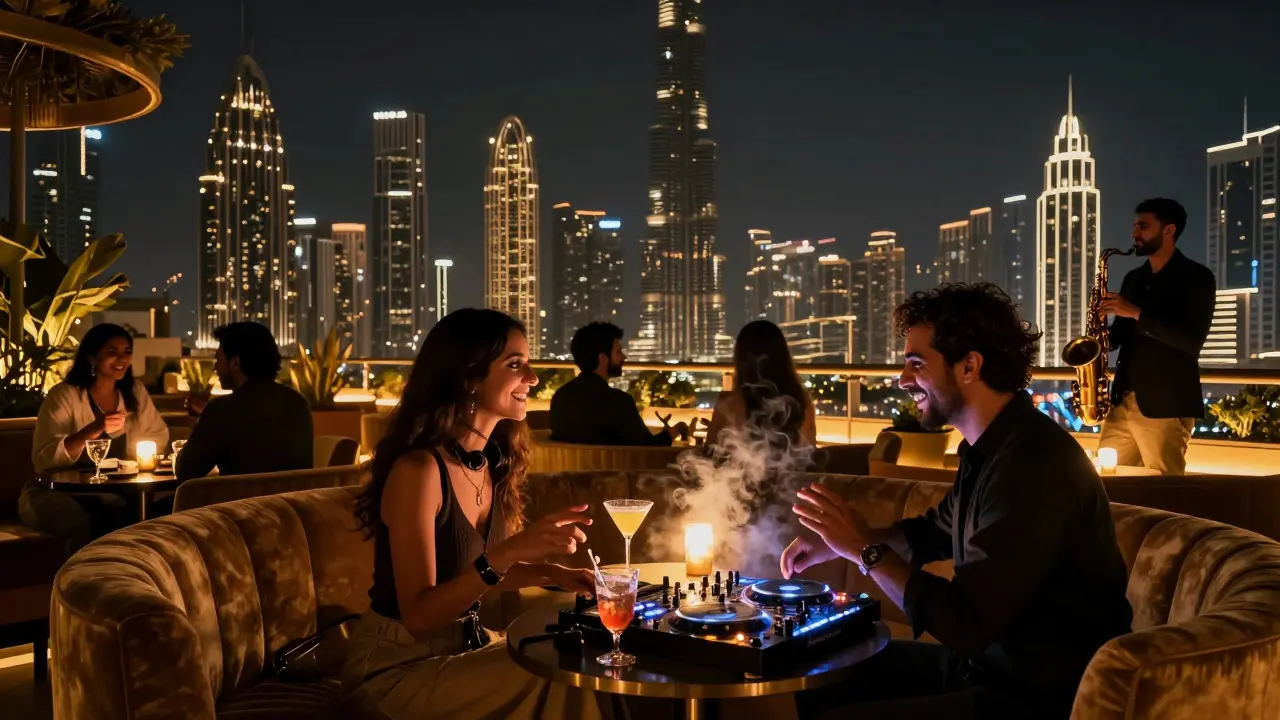
You’ve seen the skyline glittering over the Arabian Gulf. You’ve walked through the malls, ridden the metro, maybe even dined at a rooftop restaurant with a view that makes your phone battery die faster than your patience. But have you really Dubai nightlife? Not the Instagram version. Not the one your cousin saw on a six-hour layover. I’m talking about the real pulse-the bass thumping through the desert sand, the laughter echoing in hidden lounges, the way the city doesn’t sleep so much as it reboots after dark.
Dubai doesn’t just have nightlife. It breathes it. And if you’re looking for more than a photo op with a skyline backdrop, you’re in the right place.
What Dubai Nightlife Actually Feels Like
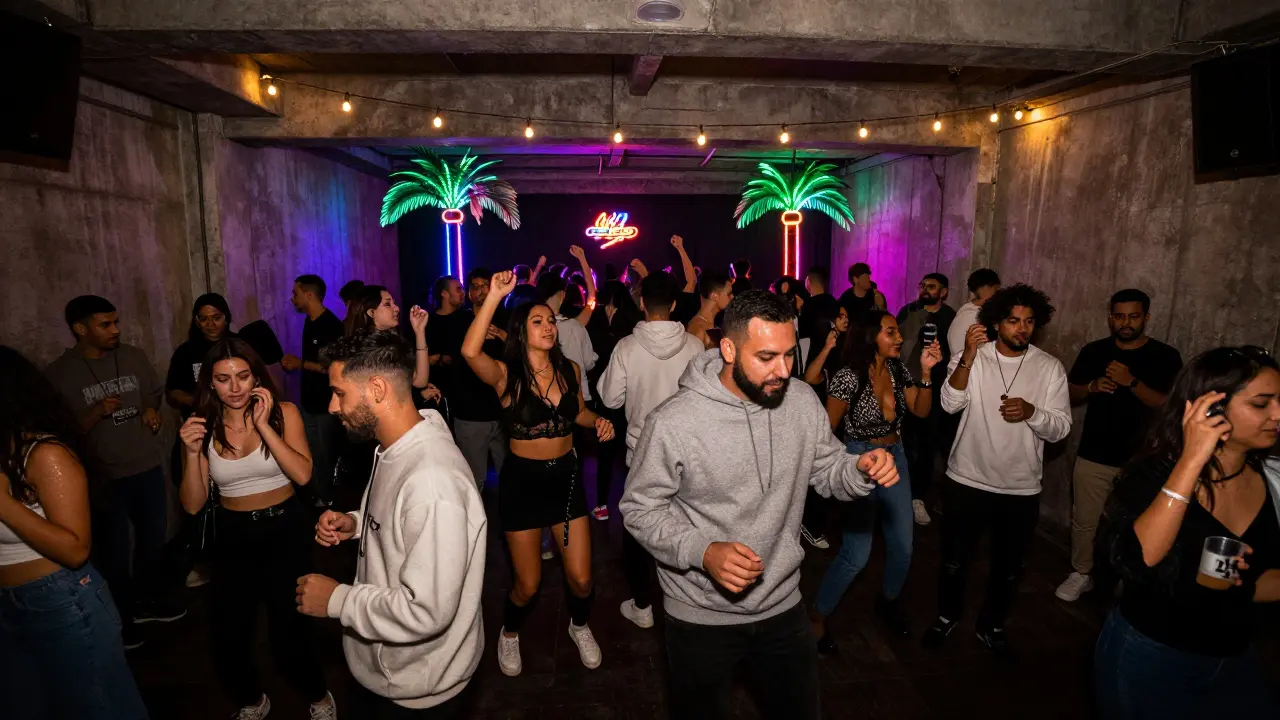
Forget what you think you know. Dubai’s night scene isn’t just about luxury yachts and VIP bottle service (though yes, that exists too). It’s a layered, almost contradictory experience. One minute you’re sipping a saffron-infused gin at a rooftop bar where the DJ spins Arabic house, and the next you’re dancing in a warehouse club under neon palm trees, surrounded by people from 30 different countries, all moving to the same beat.
There’s no single Dubai night. There are dozens. And each one has its own rhythm.
Types of Nightlife Experiences in Dubai
Here’s the truth: if you walk into a club expecting one thing and get another, you’re doing it right. Dubai’s scene thrives on variety. Let’s break it down:
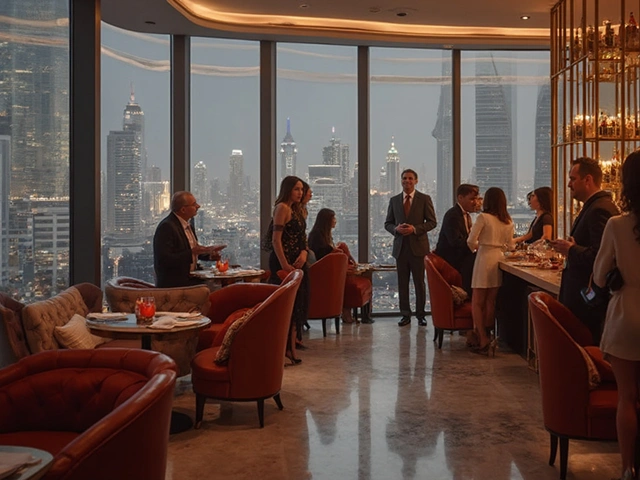
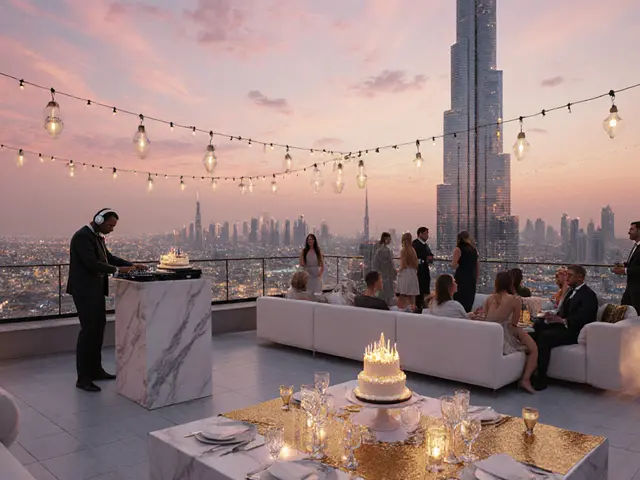
- High-End Rooftop Lounges - Think Level 43 at the Address Downtown, or Skyview Bar at the Burj Al Arab. These aren’t just bars-they’re experiences. Think velvet booths, live saxophone players, and cocktails that cost more than your dinner but taste like liquid gold. Perfect for a date, a celebration, or just proving to yourself you can afford it.
- Underground Clubs - Hidden behind unmarked doors in Jumeirah or Al Quoz, these are where the real music lovers go. Bass-heavy techno, deep house, or Arabic fusion beats. No dress code, no VIP lists. Just good sound, good people, and no cameras. You’ll leave with sore feet and a new playlist.
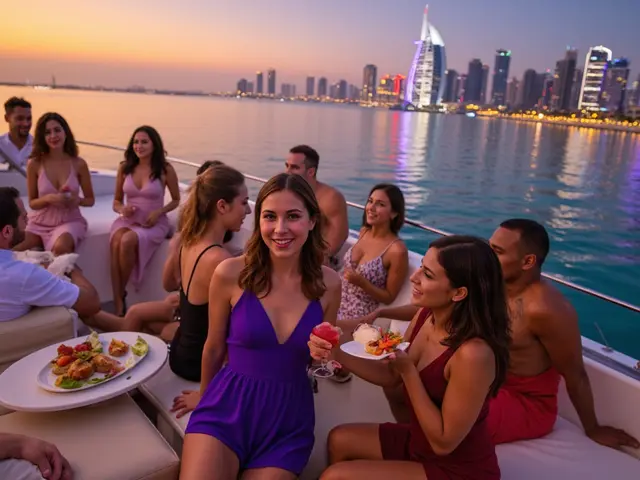
- Beach Clubs - If you want sand between your toes and a cocktail in your hand, head to White Dubai or Puro Beach. Open until 3 a.m., these places turn into open-air dance floors with ocean views. Bring a light jacket. The desert wind hits hard after sunset.
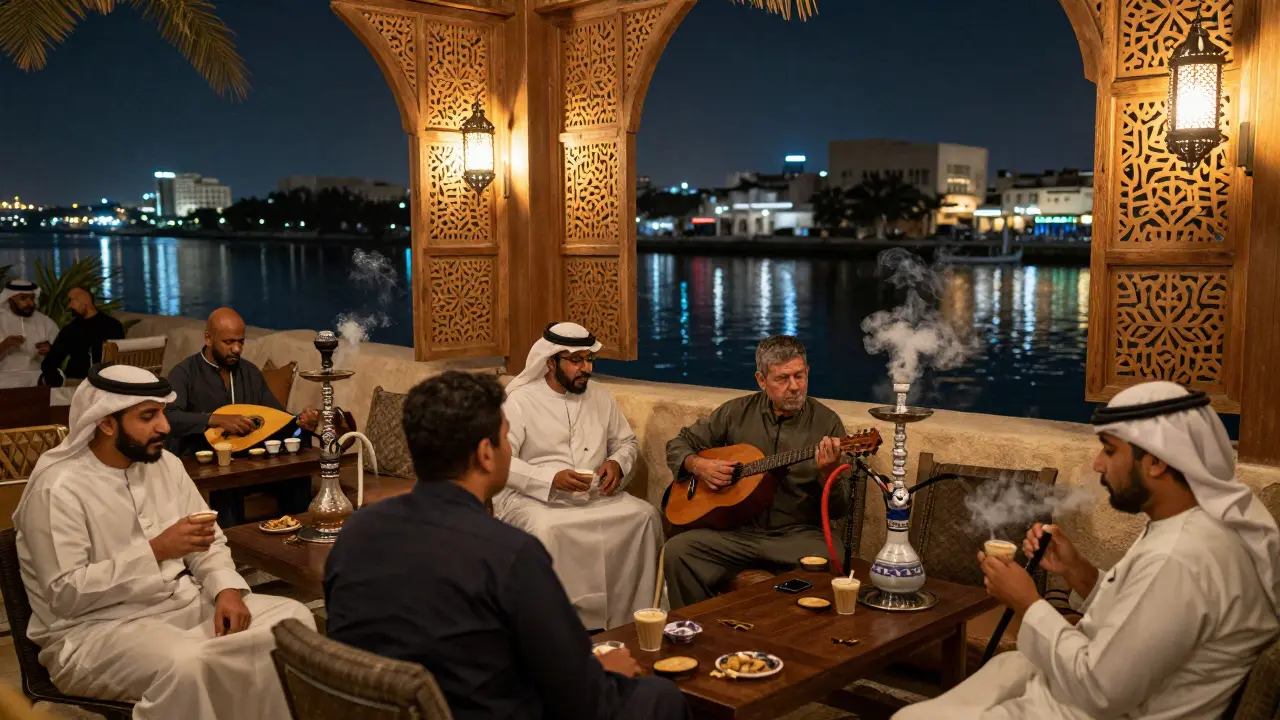
- Arabic-Themed Nights - Places like Al Funoon in Al Seef or the Dhow Cruise restaurants host live oud music, belly dancers, and traditional food. It’s not a tourist show-it’s a cultural experience. Locals come here to unwind, not to be photographed.
- 24-Hour Cafes and Shisha Lounges - Not everyone wants to dance. Some just want to talk. Head to The Courtyard in JBR or The Shisha Bar in Al Barsha. Smoke a flavored hookah, sip cardamom coffee, and watch the city slow down around you.
When to Go (and When to Skip)
Dubai’s nightlife isn’t 24/7. It’s 24/7 on weekends. Weekdays? Quiet. Fridays and Saturdays are when the city turns up. Doors open around 9 p.m., but the real energy hits after midnight. If you show up at 10 p.m., you’ll be the only one dancing. By 1 a.m., the whole room’s moving.
Pro tip: Avoid Mondays. Most clubs are closed. Tuesdays and Wednesdays? You’ll find quieter crowds and better deals-sometimes free entry if you’re a woman. Don’t believe the hype that Dubai is always packed. It’s only packed when it wants to be.
How to Find the Right Spot
You won’t find a map. You won’t find a Yelp review that tells you the truth. Here’s how locals do it:
- Check Time Out Dubai-they update their club listings every Thursday.
- Follow Instagram accounts like @dubaivibes or @nightlife_dxb. Real photos, no filters.
- Ask your hotel concierge. Not the front desk. The real concierge-the one who’s been in Dubai for 10 years. They know where the secret parties are.
- Use the Clubhopper app. It’s not perfect, but it shows real-time crowd density and upcoming events.
And here’s the golden rule: If a place looks too polished, too branded, too perfect-it’s probably not the one. The best spots look like they’re hiding.
What to Expect When You Walk In
First, the vibe. Dubai clubs don’t scream luxury. They whisper it. The lighting is low. The music is loud. The staff? Polite, but not overly friendly. They don’t need to charm you. The experience does that.
You’ll see:
- People in designer clothes… and people in hoodies. No one’s checking your shoes.
- Groups of Emirati friends laughing loudly, dancing like no one’s watching.
- Expats from London, Berlin, and Lagos, all finding their rhythm.
- Security that’s there to keep things safe-not to gatekeep. They’ll check your ID, but they won’t make you feel like an outsider.
Don’t expect to be handed a drink on arrival. You’ll order. You’ll wait 5 minutes. You’ll pay 80 AED for a cocktail. But you’ll also get a drink made with real ingredients-not syrup and food coloring.
Pricing: What You’ll Actually Pay
Let’s get real. Dubai isn’t cheap. But it’s not as outrageous as you think.
- Cocktails: 70-120 AED (that’s $19-$33). Premium brands? Up to 180 AED.
- Entry Fee: Usually free before midnight. After that? 50-150 AED. Women often get in free.
- Table Minimums: At rooftop lounges, you might need to spend 500-1,500 AED on drinks and food to reserve a table. Skip it unless you’re celebrating.
- Shisha: 40-80 AED per session. Includes multiple flavors and service.
Pro tip: Use Tabby or PayBy apps. Many places accept them. You can split bills with friends without handing over cash.
Safety Tips for a Smooth Night Out
Dubai is one of the safest cities in the world-but that doesn’t mean you can be careless.
- Don’t drink and drive. Not even a little. Police set up random checkpoints. Your passport gets confiscated. No jokes.
- Keep your ID handy. You’ll need it every time you enter a club.
- Don’t bring alcohol from home. It’s illegal. You can buy it at licensed venues.
- Respect local norms. Public displays of affection? Avoid them. Loud arguments? Don’t escalate. Security won’t hesitate to ask you to leave.
- Use trusted transport. Careem or Uber are safe. Avoid unmarked cabs.
Dubai Nightlife vs. Las Vegas Nightlife
| Aspect | Dubai | Las Vegas |
|---|---|---|
| Operating Hours | 9 p.m. - 3 a.m. (weekends) | 24/7 |
| Alcohol Availability | Licensed venues only | Everywhere |
| Dress Code | Smart casual to formal | Mostly casual |
| Entry Fees | Often free before midnight | Common, even for locals |
| Music Style | Arabic fusion, house, techno | EDM, hip-hop, pop |
| Atmosphere | Polished, subtle, exclusive | Loud, flashy, chaotic |
| Local Involvement | High-Emiratis are regulars | Low-mostly tourists |
Las Vegas screams. Dubai hums. One’s a carnival. The other’s a symphony.
Frequently Asked Questions
Can I go out in Dubai if I’m not Muslim?
Absolutely. Dubai’s nightlife welcomes all nationalities and religions. You don’t need to follow local religious customs outside of public behavior rules. Just respect the laws: no public intoxication, no drugs, no inappropriate touching. That’s it.
Are there any women-only nightlife spots in Dubai?
Yes. Places like The Pink Lounge in JBR and Her Club in Dubai Marina host women-only nights on Wednesdays and Fridays. These are popular, relaxed spaces where women can dance, drink, and socialize without pressure. Often, they include live music, free makeup touch-ups, and themed cocktails.
Is it possible to have a quiet night out in Dubai?
Definitely. Head to Al Seef’s riverside shisha lounges, or try The Library Bar at the Ritz-Carlton. These places have low lighting, live acoustic sets, and zero bass. It’s perfect if you want to talk, not dance. Many locals do this every weekend.
Can I take photos inside clubs?
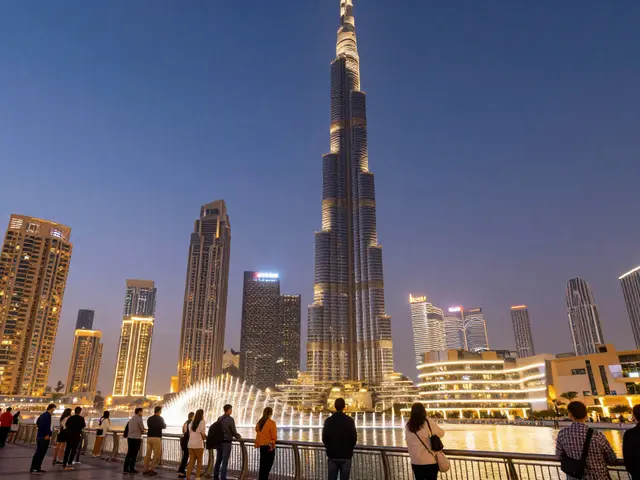
Some allow it. Many don’t. If you see a sign that says "No Photography," respect it. Even if you’re with a celebrity, they’ll ask you to delete the photo. Dubai takes privacy seriously-especially when it comes to locals. If you want to document your night, take a picture of the skyline from outside.
What’s the best time to arrive at a club in Dubai?
Between 11 p.m. and midnight. Arrive too early, and you’ll be the only one there. Arrive after 1 a.m., and you’ll be stuck in line. The sweet spot? 11:30 p.m. That’s when the crowd hits, the music kicks in, and the energy flips.
Ready to Feel the Pulse?
Dubai’s nightlife isn’t about showing off. It’s about connection. The kind you find when you’re dancing with strangers who become friends by 2 a.m. The kind you feel when you realize you’re not just visiting a city-you’re part of its rhythm.
So skip the tour bus. Skip the hotel bar. Put on your shoes. Walk out. And let the city find you.


6 Comments
Dubai’s nightlife isn’t just about where you go-it’s about how you feel when you’re there. I’ve danced in warehouses under neon palms and sipped saffron gin while a saxophone played over Arabic beats, and honestly? It felt like the city was breathing with me. There’s a rhythm here that doesn’t exist anywhere else-quiet chaos, polished but raw, foreign but familiar. You don’t need to spend a fortune to get it. Just show up, listen, and let the night surprise you.
And yeah, the 11:30 p.m. sweet spot? 100% true. Show up earlier and you’re just waiting. Show up later and you’re fighting crowds. But at 11:30? The energy flips like a switch. That’s when you realize this isn’t a party-it’s a pulse.
Dubai nightlife is just fancy bars with overpriced drinks and people taking selfies. You call it a pulse but its just a bunch of rich people trying to look cool. I been to vegas and thats real nightlife. 24 7. no dress code. no fake exclusivity. just music and people having fun. here they act like its some spiritual experience. its a club. you pay to get in. you drink. you dance. thats it. stop pretending its deep.
also why do people say 'saffron infused gin' like its magic? its just gin with spice. no one needs a 120 aed cocktail to have a good time. you dont need to be a philosopher to enjoy a night out. just be real.
Adam, you’re not wrong-but you’re also missing the point. Dubai doesn’t pretend to be Vegas. It doesn’t need to. The magic isn’t in the 24/7-it’s in the restraint. The way the lights don’t blind you, the music doesn’t scream, the staff don’t beg you to spend. It’s quiet confidence.
And yeah, the saffron gin? It’s not about the price. It’s about the craft. Someone spent hours infusing it. Someone chose the glass. Someone cared. That’s not elitism. That’s art. You can hate it. But don’t call it fake because it doesn’t scream at you.
Also-women-only nights? Brilliant. Not every woman wants to be stared at. Some just want to dance without the noise. And that’s okay too.
Okay, but let’s be real-how many of these ‘hidden’ clubs are actually just places that charge you 150 AED to get in, then make you wait 45 minutes for a drink that tastes like cough syrup? And the ‘no photography’ rule? Yeah, right. I’ve seen people with GoPros filming the entire room while security looks the other way. It’s performative exclusivity. It’s not privacy-it’s branding.
And why is everyone acting like the ‘real’ Dubai is only in Al Quoz? What about the Emiratis who go to the same rooftop bars as tourists? You act like they’re not part of the scene. They are. They’re just not your Instagram aesthetic.
Also-11:30 p.m.? That’s when the staff starts sweating. Not the energy. The energy hits at 1 a.m. when the drinks kick in. You’re romanticizing a logistical timing trick.
im not saying this is bad but like… the whole post feels like a sponsored ad for dubai tourism board. i mean, ‘liquid gold’? ‘the city reboots after dark’? come on. its a city. it has clubs. some are nice. some are overpriced. you dont need to turn it into a spiritual journey.
also, you say ‘ask the real concierge’-but what if you dont have a concierge? what if you’re a backpacker? what if you’re on a budget? where do you go then? the post ignores the 80% of people who arent rich. it only talks about the 20% who can afford 180 aed cocktails.
and why is everyone always talking about ‘locals’ like they’re some mystical beings? they’re just people. they go out too. sometimes they’re tired. sometimes they just want tea and shisha. not every night is a symphony. sometimes its just… quiet.
While the foregoing exposition contains certain insights of merit, it is, in my considered opinion, fundamentally flawed in its rhetorical structure and socioeconomic assumptions. The author presumes, without substantiation, that the nocturnal experience of Dubai is universally accessible to all visitors, thereby obfuscating the structural exclusivity inherent in its hospitality infrastructure.
Moreover, the conflation of cultural authenticity with economic privilege-e.g., the valorization of ‘hidden’ venues accessible only to those with insider knowledge-reinforces a neo-colonial narrative wherein the ‘real’ experience is reserved for those with sufficient capital, social capital, or both. The suggestion that one ‘let the city find you’ is, in effect, an invitation to surrender agency to a system that is explicitly designed to commodify experience.
One must ask: Is the pulse of Dubai truly alive, or is it merely the synchronized heartbeat of a marketing campaign?