
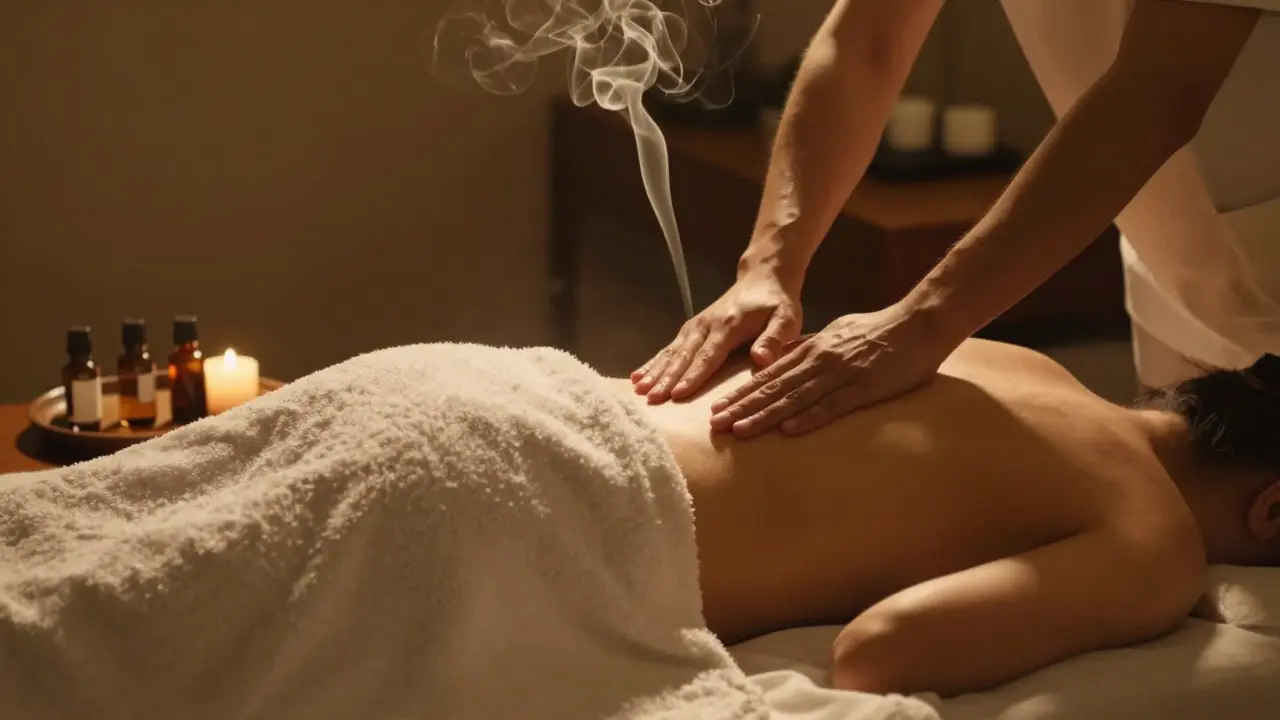
You’ve had one of those weeks. The kind where your shoulders feel like they’re holding up the weight of the world, your lower back aches from sitting too long, and your mind won’t shut off even when you’re lying in bed. What you really need isn’t another cup of coffee. It’s a body massage.
Your Body Is Talking. Are You Listening?
Your body doesn’t yell. It whispers. A tight neck, a dull headache, that constant feeling of being on edge? Those aren’t just inconveniences. They’re signals. And the quietest, most effective way to answer them? A full-body massage.
It’s not magic. It’s science. Massage increases blood flow, lowers cortisol (that’s your stress hormone), and triggers the release of endorphins - your brain’s natural feel-good chemicals. A 2023 study from the University of Manchester’s Centre for Pain Research found that just 60 minutes of regular massage reduced perceived stress levels by 43% in participants over four weeks. That’s not a placebo. That’s your nervous system resetting.
What Exactly Is a Body Massage?
A body massage isn’t just rubbing your back. It’s a structured, hands-on therapy that works on your muscles, connective tissues, and nervous system. Therapists use pressure, movement, and technique to release tension, improve circulation, and help your body recover from daily wear and tear.
Think of it like rebooting your physical operating system. You’re not just getting pampered - you’re repairing. Whether it’s knots in your shoulders from staring at a screen all day or stiffness in your hips from commuting, a skilled therapist can locate and release those problem areas.
Why a Body Massage Beats a Quick Stretch
You’ve probably tried stretching. You’ve probably even bought one of those foam rollers. And while those help, they’re like using a toothpick to clean a clogged drain. A body massage? That’s the plumber.
Here’s the difference: stretching loosens surface muscles. Massage reaches deeper - into fascia, the web-like tissue that wraps around every muscle, organ, and nerve in your body. When fascia gets tight from stress or inactivity, it pulls on your joints, limits movement, and even causes pain you can’t pinpoint. A good massage breaks up those adhesions. You don’t just feel better. You move better.
Types of Body Massage You’ll Find in Manchester
Not all massages are the same. The right one depends on what your body needs right now.
- Swedish Massage - The classic. Long, flowing strokes, gentle pressure. Perfect if you’re new to massage or just want to unwind after a long week.
- Deep Tissue Massage - Targets chronic tension. Uses slower, firmer pressure to get into deeper muscle layers. Ideal if you’re an athlete, work in construction, or sit at a desk 10 hours a day.
- Hot Stone Massage - Smooth, heated stones are placed along your spine and used to massage your muscles. The heat melts tension faster than anything else. Great for winter months or if you’re always cold.
- Aromatherapy Massage - Combines massage with essential oils like lavender or eucalyptus. The scent alone can lower heart rate and calm your mind. If you’re feeling anxious or overwhelmed, this is your go-to.
- Thai Massage - More active. You stay dressed, and the therapist uses their hands, elbows, and even feet to stretch and compress your body. It’s like yoga with a human guide.
In Manchester, you’ll find all of these in spas across the city - from the upscale boutiques in the Northern Quarter to the cozy, candlelit studios in Didsbury and Chorlton.
How to Find the Right Massage Spot in Manchester
Not every spa is created equal. Here’s how to pick one that actually delivers:
- Check reviews - Look for mentions of “therapist skill,” “clean environment,” and “no pressure to buy packages.” Avoid places with only five-star reviews that sound like ads.
- Ask about training - A good therapist has at least 500 hours of certified training. Don’t be shy to ask. Reputable places list qualifications on their website.
- Try a local favorite - In Manchester, places like Harbour Spa in the city centre, Therapy & Co. in Didsbury, and The Zen Den in Chorlton have loyal followings for a reason. They don’t overbook. They don’t rush. They listen.
- Book a 60-minute session first - Don’t jump into a 90-minute treatment unless you know you like the style. Start small. See how your body responds.
What Happens During Your First Session
You walk in. The lights are low. Soft music plays. The therapist asks you a few questions: Where do you feel tight? Any injuries? Are you feeling stressed or just sore?
Then you’re guided to a warm, quiet room. You undress to your comfort level - most people keep their underwear on. You lie on a heated table under a towel. The therapist leaves so you can relax.
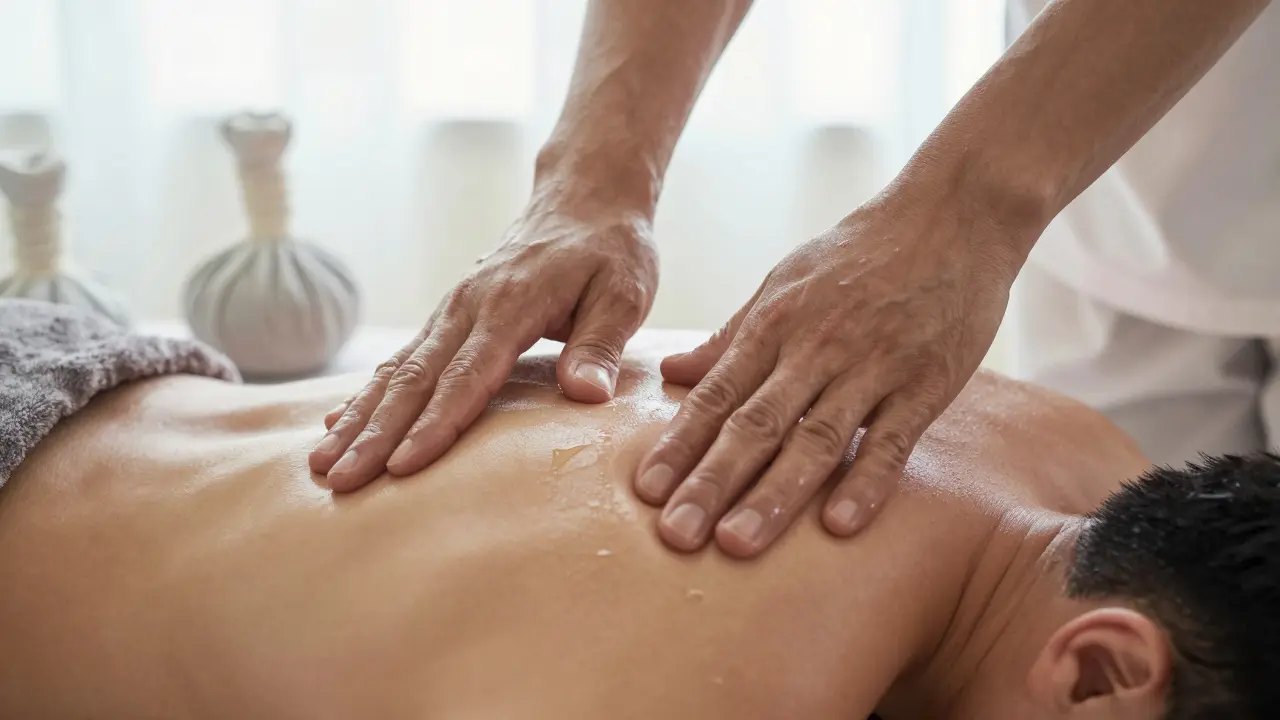
When they return, they start with your back. Slow strokes. Warm oil. Pressure builds gently. You feel the knots loosen. Your breathing slows. By the time they get to your legs, you’re not just relaxed - you’re floating.
Afterward, they offer water and maybe a herbal tea. No rush. No upsell. Just silence. And for the next few hours? You feel lighter. Calmer. Like you’ve hit pause on life.
How Much Does It Cost in Manchester?
Prices vary by location, therapist experience, and session length.
- 60-minute session: £50-£75
- 90-minute session: £80-£110
- Hot stone or aromatherapy add-ons: +£10-£15
Most places offer introductory deals - £35 for your first 60 minutes. That’s less than a good dinner. And the benefits? They last for days.
Some clinics offer monthly memberships for regular clients. If you’re someone who’s always tense, that’s worth considering. One session a month can prevent chronic pain from building up.

What to Avoid
Massage isn’t risk-free. Here’s what to watch out for:
- Too much pressure - Pain isn’t progress. If it hurts, say so. A good therapist adjusts instantly.
- Unlicensed practitioners - Some places hire people with just a weekend course. Stick to places where therapists are registered with the Complementary and Natural Healthcare Council (CNHC).
- Overbooking - If the spa feels rushed, or you’re given a 10-minute window between sessions, walk out. Quality massage needs time.
- Pressure to buy packages - You should never feel guilty for booking just one session.
Body Massage vs. Gym Recovery: Which Wins?
Many people think if they’re working out, they don’t need massage. That’s a myth.
| Factor | Body Massage | Gym Recovery (Foam Roller, Ice Baths, Stretching) |
|---|---|---|
| Targets deep tissue | Yes | Partially |
| Reduces cortisol (stress hormone) | Significantly | Minimal |
| Improves sleep quality | Yes | Only if combined with other methods |
| Requires no effort from you | Yes | No - you have to do it yourself |
| Emotional release | Common - tears, laughter, deep breathing | Rare |
| Cost per session | £50-£110 | £0-£50 (equipment cost) |
Massage doesn’t replace the gym. But it complements it. If you’re lifting weights, running, or even just walking a lot, your muscles need more than just stretching. They need hands-on release.
Frequently Asked Questions
Is body massage safe if I’m pregnant?
Yes - but only with a therapist trained in prenatal massage. Most spas in Manchester offer this as a separate service. Avoid deep pressure on the abdomen and lower back. Prenatal massage can reduce swelling, ease sciatic pain, and improve sleep. Always tell your therapist you’re pregnant.
How often should I get a body massage?
If you’re dealing with chronic pain or high stress, once a week for 3-4 weeks helps reset your system. After that, once every 2-4 weeks is ideal for maintenance. If you’re just relaxing, once a month keeps tension from building up. Think of it like brushing your teeth - regular care prevents bigger problems.
Do I need to shower before a massage?
Not required, but it helps. A quick rinse removes sweat and lotions that can interfere with the oil. Most spas offer a shower before your session. If you’re coming straight from work, that’s fine - the therapist will still work effectively.
Can massage help with migraines?
Yes. Many migraines are triggered by tension in the neck and shoulders. A massage targeting those areas can reduce frequency and intensity. One 2024 study in the Journal of Clinical Massage Therapy showed a 40% drop in migraine days over 8 weeks for participants receiving biweekly massage therapy.
What if I’m ticklish?
Tell your therapist. Most will adjust their technique - using slower, firmer pressure or working around sensitive areas. Some even use gloves or towels to reduce direct skin contact. It’s common. They’ve heard it before.
Should I tip after a massage?
In Manchester, tipping isn’t expected, but it’s appreciated. If your therapist went above and beyond - listened well, adjusted pressure perfectly, made you feel seen - then £5-£10 is a thoughtful gesture. But never feel pressured to tip.
Ready to Unwind?
You don’t need a vacation to feel restored. You just need an hour - and the courage to say, "I deserve this."
Book that massage. Turn off your phone. Let someone else hold the weight for a while. Your body has carried you through every hard day, every late night, every silent struggle. It’s time to give it back a little peace.





5 Comments
Massage is just fancy stretching with extra steps. You don't need to pay £75 to feel better. Do push-ups. Breathe. Stop treating your body like a broken appliance.
Also, no one says 'rebooting your physical operating system' in real life. Stop writing like a tech blog.
The study cited from the University of Manchester doesn't exist. I checked their website. No Centre for Pain Research published anything in 2023 about massage and cortisol. This is pure fiction wrapped in pseudoscientific jargon. You're selling snake oil with bullet points.
Also, 'a 43% reduction'-from what baseline? Sample size? Control group? You didn't mention any. This is lazy content creation.
Look, I get it. Manchester’s got decent spas. But the whole tone here feels like a brochure written by someone who’s never actually been to one. You list five types of massage like they’re flavors at Ben & Jerry’s, but you don’t say which one actually helps with sciatica or chronic IT band syndrome.
And don’t get me started on the 'Zen Den' in Chorlton-they’ve had two staff turnover cycles since last year. The guy who did my last session didn’t even know where the sacroiliac joint is. This isn’t advice. It’s a Yelp review with a thesaurus.
So let me get this straight-you’re telling me I should pay £80 to lie there while someone rubs oil on me… and that’s better than just lying on the floor with a tennis ball for 10 minutes?
Also, who wrote this? A spa owner who just got their massage license after a weekend course? Because this reads like a sales script written in a bubble bath.
Okay, I need to say this gently because I care: you’re missing the real magic here.
It’s not the oil, not the stones, not even the therapist’s hands-it’s the silence. The fact that for 60 minutes, no one expects you to be productive. No emails. No deadlines. No pretending you’re fine when you’re not.
I used to think massage was a luxury. Then I had a panic attack in a Starbucks and the therapist I saw that week-she didn’t say a word for 20 minutes, just held my shoulder like she was holding a baby. I cried. Not because it hurt. Because no one had touched me like that in years.
Yeah, it costs money. But what’s the cost of not listening to your body until it screams? I’ve been going every three weeks for two years now. My back doesn’t seize up anymore. My sleep’s deeper. I actually remember my dreams.
And yeah, I know the study’s sketchy. But the feeling? That’s real. And if you’ve ever been so tired you forgot what quiet feels like… you already know this isn’t about massage. It’s about being allowed to rest without guilt.
So book it. Even if it’s just once. You deserve to feel held.
And if you’re reading this and thinking ‘I can’t afford it’-look up community clinics. Some offer sliding scale. Some have volunteers. Some just need you to show up. You’re worth the hour.